Hull · Gatineau
Hull: from matchbox houses to office towers
In Hull, the window that needs attention is often a wood double-hung sash in a narrow brick or clapboard house built in the rebuilding after 1900. Other days it's a pane in a downtown shopfront, or a fogged thermos in a later building. We connect you with an independent local glass professional who does that kind of work, and we stay on the request until you hear back. The pro measures, quotes and does the job.
At a glance
- Housing
- Matchbox houses from the rebuilding after 1900; offices and shops downtown
- Heritage
- Kent-Aubry-Wright and other cited sites; council approval applies
- Common jobs
- Double-hung sashes, thermos, storefront glass
- Permits
- Ville de Gatineau, through URBAIN or 311
Hull after the great fire of 1900
Hull burned more than once. The City counts eight major fires between 1880 and 1933, and the worst, on 26 April 1900, started from a defective chimney and swept through most of the town. Much of the old core was built after it.
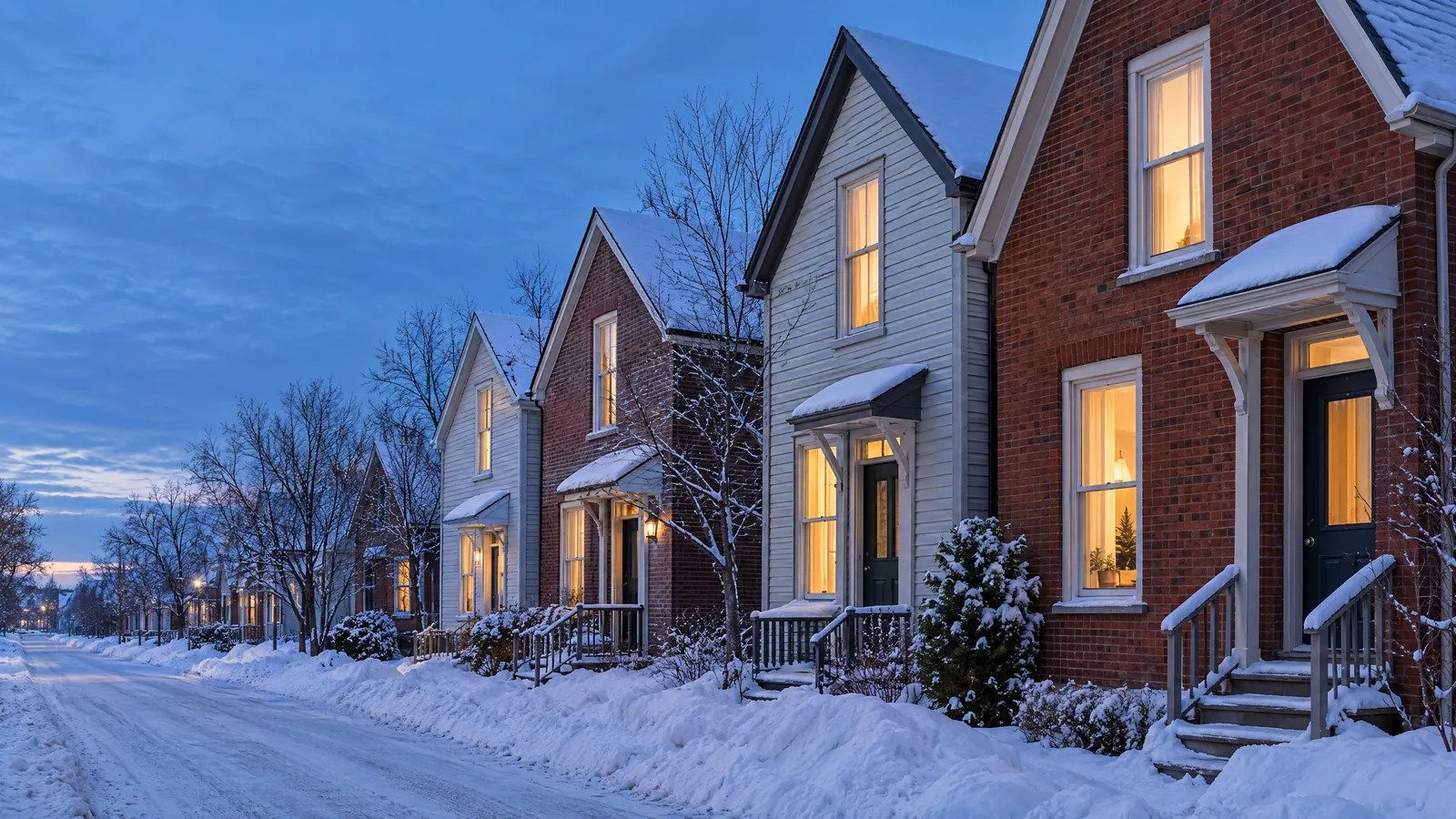
That rebuilding gave the Île de Hull its look: narrow houses set gable-end to the street, on long, thin lots laid out by the Wright family. Early residents called them maisons en bois Papillon, after Georges Papillon, who sold affordable lumber packages after 1900. The name maison allumette only took hold in the 1980s. Rules after the fire pushed builders toward fire-resistant cladding, so brick versions multiplied. The City now publishes guidance for their windows.
Matchbox houses: double-hung windows and approvals
The original windows in a matchbox house are mostly vertical double-hung sashes, the kind that slide up and down, most often with four panes. The front door is simple, glazed and usually off-centre. The City's guidance sheet for the brick matchbox house asks owners who replace windows to choose double-hung models with the same pane pattern, keep the openings the same size and stay with original materials rather than switching to casements.
That guidance carries the most weight inside a cited heritage site such as Kent-Aubry-Wright, or on a property in a PIIA area, where exterior changes go to municipal council for approval before a permit is issued. The request passes through the City's planning service and its advisory committee first, so start early. The City's permit FAQ explains how to check your property's status on its online planning map.
First, though, ask whether the sash needs replacing at all: loose putty or a broken cord can usually be put right. Our matchbox-house windows guide walks through the choice.
Shops and offices: Kent-Aubry-Wright and Place du Portage
Downtown Hull has two very different kinds of commercial glass. Kent-Aubry-Wright is a pedestrian street of small restaurants and bistros in buildings mostly from after 1900; if a shop window there breaks, ask the City whether anything other than a like-for-like pane needs approval. Place du Portage, built through the 1970s over what had been the town's main commercial area, is the region's largest office complex, and its glass runs through building management.
For a shopfront, the order doesn't change: make it safe, photograph it for the insurer, have it covered, then order glass made to size. A pro who does storefront glass repair can say what's possible on the spot.
Common jobs in Hull
- Wood window repair: new putty, cords and weatherstripping, and freeing sashes painted shut, on original wood windows.
- Double-hung windows: sashes that stick or won't stay up, and new double-hung units where the City's guidance applies.
- Foggy thermos: a cloudy sealed unit (the thermos) replaced in its frame, in later buildings and renovated houses.
- Door glass: a cracked pane in the glazed front door typical of a matchbox house, replaced without changing the door.
Heritage grant: reopening in fall 2026
Ville de Gatineau's programme d'aide financière pour la mise en valeur du patrimoine bâti helps pay to restore original openings, windows and doors included, on eligible heritage buildings. Eligibility goes building by building, based on legal heritage status or the building's rating in the City's inventory. Applications were closed at last check and are due to reopen in fall 2026, so confirm the dates on the City's page.
If your house may qualify, ask for a written soumission that separates restoration from replacement. Our window subsidies guide sets this program beside Quebec's Rénoclimat, which helps with full ENERGY STAR windows but not glass-only work.
Questions from Hull
Do I need approval to change the windows on a Vieux-Hull house?
Often, yes. If the house is in a cited heritage site or a PIIA area, exterior changes need municipal council approval before a permit is issued, and the City's guidance for matchbox houses favours double-hung windows with the same pane pattern in the same openings. Check your property's status on the City's online planning map, or through URBAIN or 311, before a pro orders anything.
Can matchbox-house windows be restored instead of replaced?
In many cases. Old wood sashes can usually be reglazed, weatherstripped, rehung and repainted, and a rotted section of sill or sash can be patched. Restoration keeps the pattern the City asks for, and on an eligible heritage building it is the kind of work the City's heritage program supports. Replacement makes more sense when most of the wood has gone soft. A pro who does wood window repair can tell you which.
Can the old wavy glass be kept when a Hull sash is repaired?
Usually, yes. A careful glazier can take out the original panes, clean and reputty the sash, and set the same glass back in. Only a broken pane needs replacing, with new glass or salvaged old glass if matching matters on a heritage front. Say that you want the old glass kept when you send the request, so the soumission accounts for the extra care.
Are there pros who handle shops in downtown Hull?
Yes. We connect restaurants, shops and offices downtown with local glass professionals who handle shopfront panes and commercial glass doors. After a break, make the opening safe and photograph it before anything is swept up. A temporary cover usually comes first, and the permanent glass follows once it's cut to size. Mention if the building is in a heritage site.